

Caribbean Real Estate Investors Face New Regional Regulator And Rule Changes Ahead Of 2026
The updates come at a time when Caribbean programs remain among the most attractive real estate-backed citizenship options worldwide.
The developments mark a decisive shift toward a centralised model designed to safeguard the long-term credibility of Caribbean passports.
MIAMI, FL, UNITED STATES, December 24, 2025 /EINPresswire.com/ -- Caribbean Citizenship by Investment (CBI) programs are set for a revamp in 2026 following key changes introducing a new regional regulator and harmonised national rules.
The planned changes, expected to come into force by mid 2026, will reshape pivotal aspects of the CBI programs, including due diligence fees, residency obligations, and civic education requirements.
The updates come at a time when Dominica, Antigua and Barbuda, St. Kitts and Nevis, and Grenada remain among the most attractive real estate-backed citizenship options worldwide.
GRENADA TO HOST REGIONAL REGULATOR BY JUNE 2026
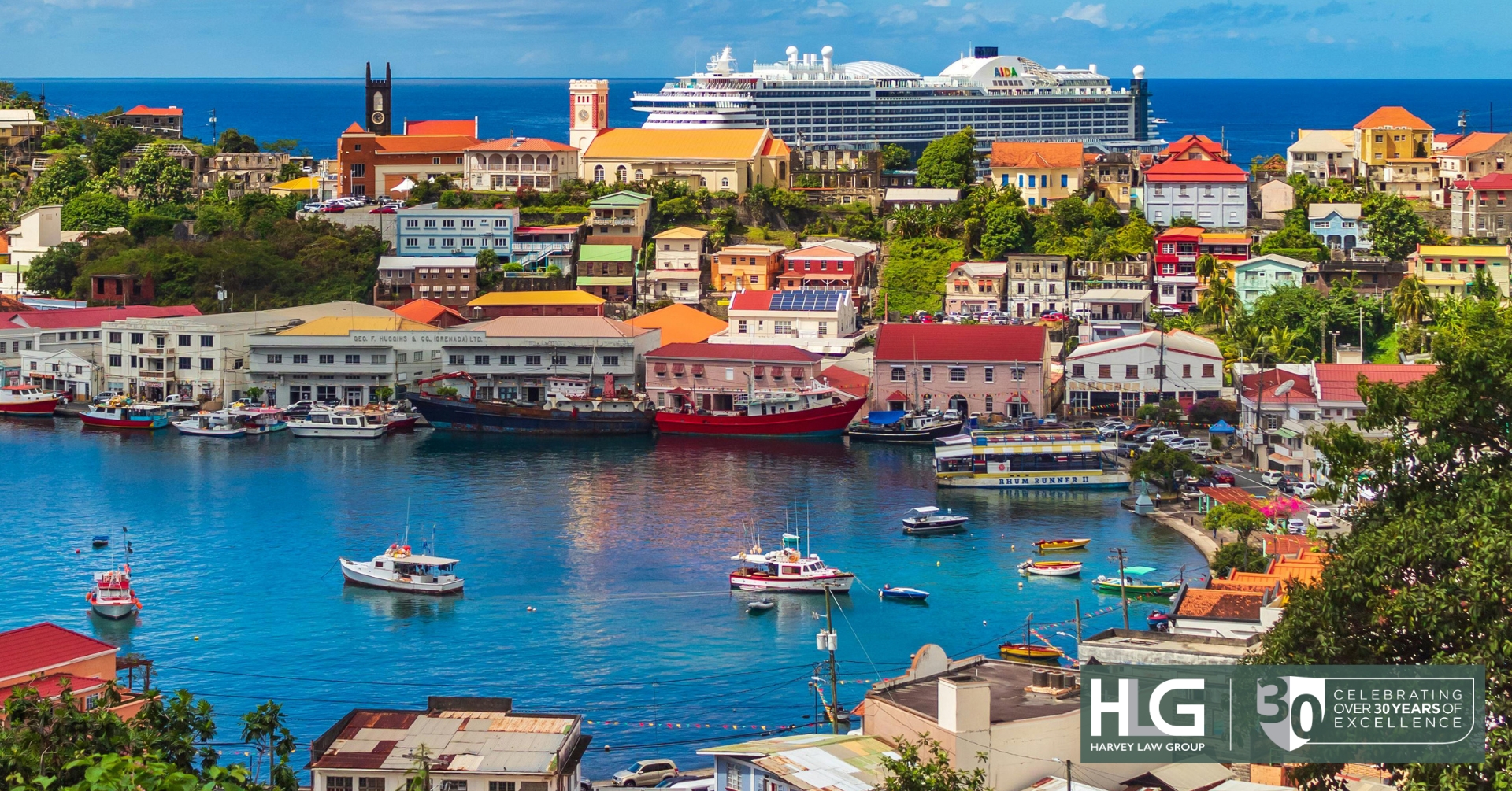
All major Caribbean CBI jurisdictions have now passed legislation to create a regional regulator, with Grenada becoming the last participating state to approve the framework in late 2024.
While the official target for the authority’s launch is April 2026, market consensus points to a more realistic implementation date around June 2026, with Grenada selected as the host country for the new regional office.
The regulator will be responsible for setting minimum regional standards on due diligence, processing, and marketing, as well as supervising and monitoring national CBI units and coordinating cross border enforcement.
National citizenship units in each country will continue processing applications and interacting with agents and developers - but under harmonised legislation and with mandatory reporting of any breaches to the regional authority.
NEW RESIDENCY, EDUCATION & BIOMETRIC REQUIREMENTS
Under the emerging framework, future CBI applicants will face a structured physical presence requirement: a minimum of 30 days in the issuing country over the first five years after citizenship is granted.
The principal applicant will be required to spend at least five days in the jurisdiction during the first 12 months, while dependents will complete the remaining 25 days over the subsequent four years, in any combination of visits that cumulatively meets the 30 day threshold.
A mandatory educational component will also be introduced, obliging new citizens to complete civic integration covering the country’s laws, history, constitution, culture, and political structure.
At the same time, biometric data collection will be expanded. Authorities plan electronic biometric capture for all citizens, not only CBI applicants, with biometric identifiers embedded directly into passports.
These changes will be tied to a new passport structure. Initial passports for newly naturalised economic citizens are expected to be issued with five year validity, with 10 year renewals available only for holders who can prove compliance with residency, education, and biometric requirements.
DUE DILIGENCE FEES & COMPLIANCE STANDARDS SET TO RISE
Alongside governance reforms, regional standards will raise the floor for security screening and due diligence costs.
Draft guidance indicates that enhanced vetting - including broader cross border criminal checks, sanctions screening, politically exposed person (PEP) reviews, mandatory interviews, and more extensive source of funds analysis - will become universal across participating programs, leading to incremental increases in due diligence fees per applicant.
The regional authority will set and enforce minimum due diligence benchmarks, monitor compliance, and have powers to sanction states or intermediaries that fail to meet agreed standards, including application cap reductions or financial penalties paid into a compliance fund.
“These developments mark a decisive shift away from purely national interpretation of best practices toward a centralized model designed to address pressure from international partners and safeguard the long term credibility of Caribbean passports,” said Jean-François Harvey, Global Managing Partner at Harvey Law Group.
The impending regulatory changes could be seen as both a risk and an opportunity, Harvey said. “In the long run, stronger, unified oversight can protect the reputational value of these passports and reassure partner governments,” he said.
“In the short term, however, investors with clear plans should seriously consider acting under the current rules before due diligence costs rise and residency obligations tighten.”
CARIBBEAN REAL ESTATE OPTIONS REMAIN FLEXIBLE
For now, the four leading Caribbean real estate CBI programs - Dominica, Antigua and Barbuda, St. Kitts and Nevis, and Grenada - continue to operate under existing, more flexible rules, making the coming months a critical planning window for investors.
No program currently imposes a mandatory post approval residency requirement for economic citizens, and they all allow investors to maintain their primary residence elsewhere while holding qualifying property in approved developments.
Dominica remains the value focused entry point, with real estate investments from USD 200,000 in eco oriented projects, a three year minimum holding period (five years if reselling to another CBI applicant), and no capital gains, wealth, or inheritance taxes for qualifying non residents.
Antigua and Barbuda offers real estate from USD 300,000 and uniquely allows inclusion of siblings, parents, and grandparents, with a reputation as a crypto friendly jurisdiction for investors with digital assets.
St. Kitts and Nevis, the world’s oldest CBI program, positions itself as the “heritage standard,” with approved condominium shares starting around USD 325,000 and private homes from USD 600,000, underpinned by a personal tax regime that omits income, capital gains, inheritance, and wealth taxes for individuals.
Grenada differentiates itself via access to the U.S. E 2 Treaty Investor Visa for eligible citizens, with qualifying real estate investments from USD 270,000, making it especially compelling for entrepreneurs targeting the U.S. market.
All four programs offer visa free or visa on arrival access to roughly 140–150 destinations, including the United Kingdom (short stays), the Schengen Area, and major Asian business hubs such as Singapore and Hong Kong, along with tax efficient regimes for non resident investors.
“Caribbean real estate–backed citizenship remains an important tool for high net worth families seeking mobility, diversification, and succession planning,” Harvey said.
“What is changing is the trade off: investors can still benefit from relatively light residency and integration obligations today, but they need to understand that by 2026, physical presence, education, and biometric standards are likely to look much closer to traditional immigration systems,” Harvey added.
ABOUT HARVEY LAW GROUP
Harvey Law Group, the world’s leading business immigration law firm, has 20 offices globally and over 30 years of extensive experience and expertise in Citizenship by Investment and Ancestry programs.
The firm’s Caribbean practice guides clients through program selection, project due diligence, application preparation, and compliance with evolving regional and national rules, including planning for future residency and civic education requirements tied to passport renewals.
For more information about Caribbean real estate citizenship and the impact of the proposed regional regulator, visit https://harveylawcorporation.com
Jean François Harvey
Harvey Law Group
+ +852 2116 1333
contact@harveylawcorporation.com
Visit us on social media:
LinkedIn
Facebook
Legal Disclaimer:
EIN Presswire provides this news content "as is" without warranty of any kind. We do not accept any responsibility or liability for the accuracy, content, images, videos, licenses, completeness, legality, or reliability of the information contained in this article. If you have any complaints or copyright issues related to this article, kindly contact the author above.
