

Human Judgment Remains Critical as Singapore Security Services Adopt AI - APPLIED PROTECTION PTE LTD
As surveillance, access control and automated monitoring become more advanced, Singapore’s security industry is placing greater emphasis on the trained personnel responsible for interpreting alerts and managing incidents.
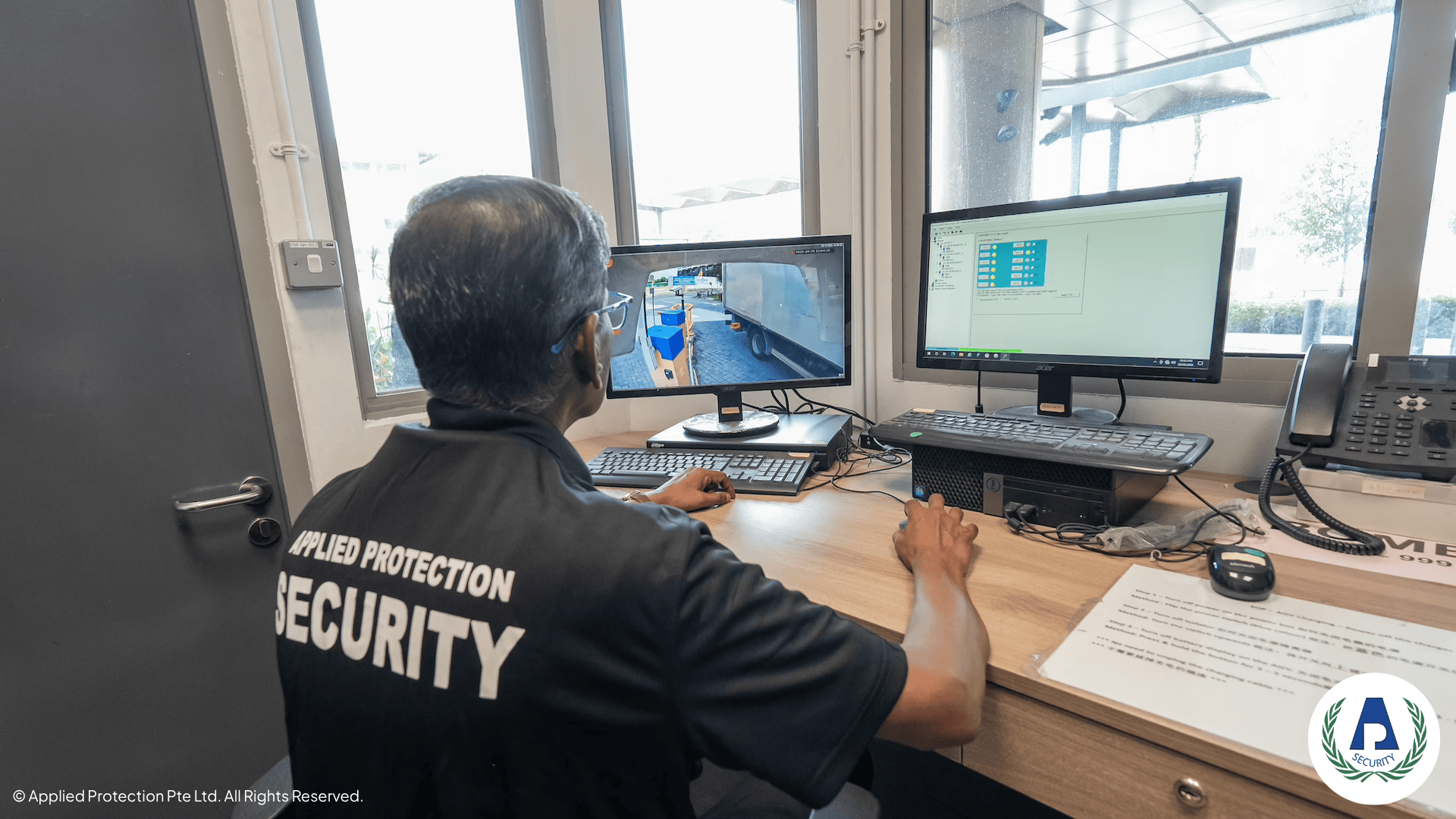
SINGAPORE, Aug. 03, 2026 (GLOBE NEWSWIRE) -- Singapore’s security services sector is combining officers with video analytics, virtual patrols and monitoring platforms. The shift addresses the issue of manpower constraints while crucially reserving consequential decisions for trained personnel.
Key Takeaways
- More than 80% of surveyed Singapore security agencies were keen to adopt technology.
- Technology can extend surveillance coverage and reduce repetitive work, but alerts still require human intervention and judgment.
- Buyers looking to engage security services should assess a security company’s escalation, training and accountability processes, not only its equipment.
The Shift
In November 2025, the Ministry of Home Affairs reported that more than 80% of surveyed security agencies wanted to adopt advanced technology. They also cited the successful example of six Arts House Group sites, where virtual patrols and AI-assisted surveillance reduced staffing from 42 officers to 26, improved detection and cut manual reporting. However, many agencies faced difficulty selecting and deploying these advanced technologies.
Arts House Group’s example points to a reorganisation of security services, but not the removal of human responsibility. Cameras and analytics can flag movement, access anomalies or unusual behaviour, but they cannot establish the circumstances, judge intent or determine whether observation, engagement, de-escalation or escalation is proportionate.
Singapore’s Security Industry Transformation Map identifies problem solving, customer orientation and de-escalation among the capabilities officers will crucially need as their roles evolve. Singapore’s updated AI governance framework likewise calls for meaningful human accountability and defined checkpoints where approval is required.
For service buyers, operating procedures therefore matter as much as equipment. Organisations should ask how alerts are verified, who can authorise escalation, what happens when systems fail, and how false alarms and outcomes are reviewed.
Frequently Asked Questions
Can AI replace security officers?
AI can automate monitoring and detection, but incidents requiring interpretation, communication or intervention still need trained personnel.
Why does human judgment matter in security incidents?
Security incidents involve incomplete information and changing conditions that cannot be reduced to just an alert. Human judgment is crucial to resolving these incidents.
What should buyers assess when engaging a security company?
Buyers should assess verification procedures, escalation authority, officer training, contingency plans and performance reporting.
“Technology can detect incidents earlier across multiple areas, but an alert does not explain the entire situation,” said Richard Yeo, Chief Operating Officer at Applied Protection. “Effective security services still depend on personnel who can verify what is happening, communicate clearly and choose an appropriate response.”
Property managers, facilities teams and event organisers can review Applied Protection’s security services or request an operational consultation at applied-protection.sg.
About Applied Protection
Applied Protection is a Singapore-based security company providing personnel and technology-enabled security services for residential, commercial, industrial and event environments. Services include holistic security operations, security consulting, event security and concierge support.


Legal Disclaimer:
EIN Presswire provides this news content "as is" without warranty of any kind. We do not accept any responsibility or liability for the accuracy, content, images, videos, licenses, completeness, legality, or reliability of the information contained in this article. If you have any complaints or copyright issues related to this article, kindly contact the author above.
